SUSANNE ULLERICH
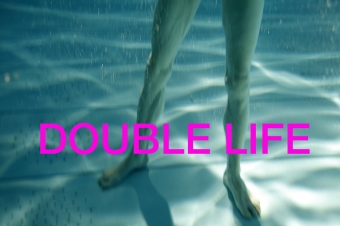
DOUBLE LIFE
2010

back


DOUBLE LIFE – The daily lives of women with HIV/AIDS

THEMES AND TARGET AUDIENCE
The approximately 45-minute documentary investigates the lives of HIV positive or AIDS-infected women in Germany. The film focuses its attention on a group of people living with HIV/AIDS who normally go unnoticed and have no lobby or community: that is to say, not gay men or junkies but rather straight women and girls in Germany. It is important for young people to pay attention to this matter, have their prejudices broken down, get up-to-date information and encourage their empathy. Using such channels as festivals, TV and the framework of lectures and exhibitions in schools, this topic should be moved to the foreground and openly discussed because it involves anyone who is sexually active. The film will also show the strength, humor and energy of our main protagonist, Lena, and will help make clear what it means to live with the disease. It aims not only to explain the situation, but to offer hope to those affected.

CONTENTS
The film examines the question of living a secret life: how is it when someone must live half of their lives with a lie? A particular focus of the film is on the following challenges and misconceptions that people unfortunately still face today: - Why are people still stigmatized? - How much do people still believe such misconceptions as: infection is possible when sharing a glass, from a mosqito bite or from using the same toilet?

CENTRAL CHARACTER: LENA
Lena’s name has been changed to protect her identity. She is nearly 50 years old and has lived for 25 years with the HIV virus. From a medical perspective, she is a wonder—she has experienced and survived every facet of the disease. In the 80s, Lena was among the first to be diagnosed with the virus. She was also among the first to become pregnant while infected with HIV and carry out the pregnancy. In 1995 Lena was diagnosed with AIDS. To this day, only her closest friends and relatives know about it. Not even the friends of her healthy daughter—now in her 20s—know this about her. Lena is far too scared of the possibility of ostracism and stigmatization. So she lives a double life, because she wants to protect her daughter as well as herself. How she deals with the disease, her fears and anxieties, as well as her humor and love of life all come through in the film, with the goals of educating, breaking down prejudices and building hope.

STYLISTIC DEVICES
The story of the film is told through many visual methods: photos, collages and fantasy sequences, as well as self-filmed material from Lena, one-on-one interviews and works of art examining the theme of a Double Life.